
Reclaim your sense of agency
You’re in the right place if:
You feel trapped by their housing situation.
You want to change your career path, but you don’t know what will keep you interested.
Looking back, nothing you have done in life makes you feel truly proud of yourself.
Our Belief
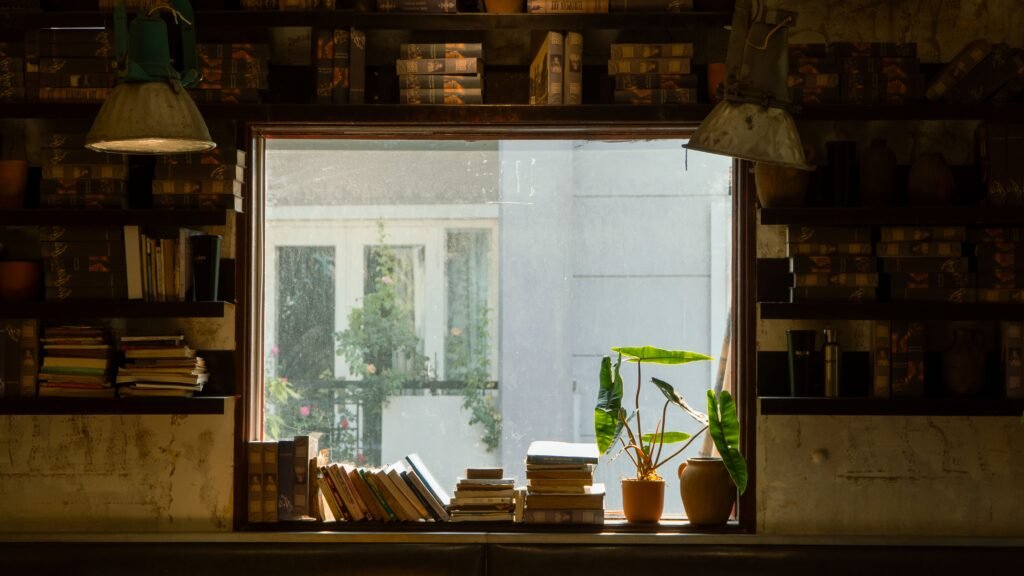
‘Home’ is something we cultivate, not something we purchase. We can cultivate a healthier relationship with our home even when we can’t change the building itself or its location.
Our Approach
Home isn’t simply a place you live. It’s a relationship you build.
Uncovering psychological blind spots isn’t about striving for perfection — it’s a journey toward deeper self-awareness, self-compassion, and humility. It involves recognising where our perceptions may be distorted, our judgments clouded by bias, and our emotions pushed aside. These blind spots can quietly impact how we communicate, relate to others, and grow. The aim isn’t to erase all flaws, but to become more mindful of our limitations — and to use that insight as a foundation for personal growth and a more fulfilling life.

My Story
From apathy to zeal
We all dream of finding that beautiful home in a safe, leafy neighbourhood, with good transport links, independent cafés around the corner, and enough space to truly settle in. In an ideal world, we’d still have the budget to renovate, decorate, and fill it with furniture and objects that reflect who we are.
For millions of people today, that simply isn’t reality.
Instead, we’re living in small spaces, navigating rising rents, mortgages, and service charges, coping with noisy neighbours and polluted streets, and trying to work, live, and rest within the same four walls. Too many of us end up feeling more like temporary occupants than truly at home—unable to experience the sense of belonging, comfort, or pride we long for.
As a designer working for an organisation dedicated to historic homes, and as a psychology student, I’ve spent years exploring the relationship between people and the places they inhabit. The more I learned about environmental psychology, the more convinced I became that feeling at home shouldn’t be a luxury reserved for those with unlimited budgets.
That’s why I founded this practice.
Using evidence-informed principles from environmental psychology, I help people reclaim a sense of agency within the homes they already have. Rather than focusing on costly renovations, we work with non-permanent sensory anchors, thoughtful psychological zoning, and nervous system regulation to help your space feel calmer, more restorative, and more deeply yours.
Because home isn’t simply a place you live. It’s a relationship you build.
Welcome home.

Join my self-exploration newsletter
Get the ‘Self-exploration Tuesday’ newsletter in your inbox.
Just one weekly reflective question to help uncover your blind spot.
* Your e-mail address is only used to send you our newsletter and information about the activities of Bloom at Dusk.
And you can always use the unsubscribe link included in the newsletter if our communication no longer serves you.